Preeclampsia
Preeclampsia is a word many people hear during pregnancy but may not fully understand. As midwives, we believe in educating and empowering you with knowledge—especially when it comes to conditions that need close monitoring. So let’s break it down together.
What Is Preeclampsia?
Preeclampsia is a pregnancy-related condition that usually develops after 20 weeks gestation. It involves high blood pressure and signs that your organs—especially your liver and kidneys—are under stress. It affects about 5–8% of pregnancies and can range from mild to severe.
If caught early and managed well, most people with preeclampsia go on to have healthy births. The key is knowing the signs and acting quickly.
Who’s at Risk?
While preeclampsia can happen to anyone, certain factors may increase your risk:
First-time pregnancy
History of preeclampsia or high blood pressure
Carrying twins or multiples
Being under 20 or over 35 years old
Chronic health conditions like diabetes or kidney disease
Autoimmune disorders like lupus
That said, even people with no risk factors can develop it—so awareness is essential for everyone.
Warning Signs to Watch For
Some signs of preeclampsia can be subtle. If you experience any of these symptoms, don’t wait—contact your midwife or provider right away:
Persistent or sudden swelling, especially in your face, hands, or around your eyes
Severe headaches that don’t go away with rest or Tylenol
Changes in vision like blurred vision, flashing lights, or seeing spots
Pain in the upper right abdomen (under your ribs)
Nausea or vomiting later in pregnancy
Shortness of breath
Sudden weight gain (more than 2–3 pounds in a day or 5 pounds in a week)
High blood pressure readings (if you check at home)
Decreased baby movement (always call if you feel less than usual)
Many of these symptoms can have other explanations during pregnancy, but in combination, they can point to preeclampsia.
What if Preeclampsia is Suspected?
If preeclampsia is suspected, your care team may:
Monitor your blood pressure with blood and urine labs more frequently
Recommend rest and hydration
Possibly recommend an L&D hospital triage referral as they can receive confirmatory labs back sooner and can do serial blood pressure monitoring to ideally rule out pre-e
Transfer your care to a hospital-based provider if preeclampsia is diagnostic
An early hospital birth may be needed for your safety if preeclampsia is confirmed
At DFW Community Birth & Wellness, we screen for preeclampsia at every prenatal visit with blood pressure checks and symptom review. Your safety is always our top priority.
Prevention Tips
There’s no guaranteed way to prevent preeclampsia, but there are things you can do to lower your risk:
Eat a nutrient-dense diet rich in protein, magnesium, calcium, and leafy greens
Stay well hydrated
Take your prenatal vitamins daily along with a low dose baby aspirin and beet root supplement
Get regular gentle movement
Attend all prenatal visits, even if you feel great
Consider purchasing a blood pressure cuff for at home use
Let us know immediately if anything feels “off” to you
You're Not Alone
Preeclampsia can sound scary, but you are not alone. We are here to listen to your concerns, answer your questions, and provide care that supports your body, your baby, and your peace of mind.
Have questions or think you may be experiencing warning signs? Reach out—early action can make all the difference.
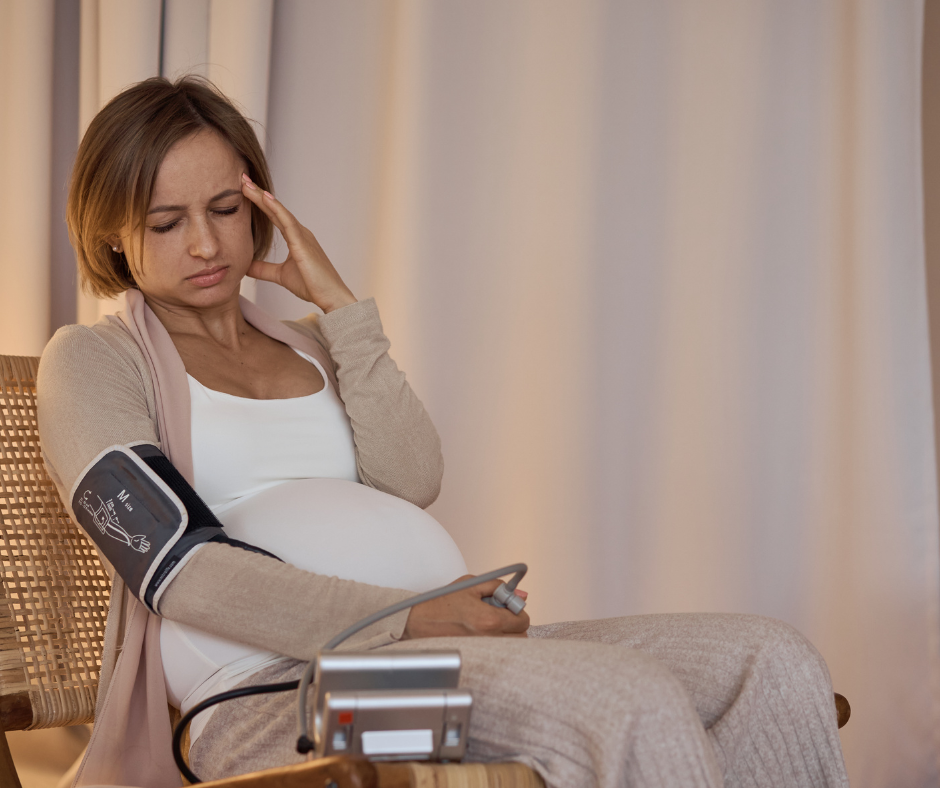
At Home Pressure Monitoring
For accurate Blood pressure readings, please sit with feet on the floor, legs uncrossed, in a quiet room for 5 minutes before taking.
CALL the on-call number with any readings 140/90 or higher or if you are experiencing any of the symptoms listed below:
A severe headache that will not go away with rest or OTC medication
Severe increase of swelling of hands, lower calves, and feet
Visual Disturbances (blurred vision, seeing double, streaking in your vision, etc.)
Any upper abdominal pain (on the left side or the right side) usually located just below the ribs, and can sometimes feel sharp/stabbing or like indigestion
Reduction of urinary output
Sudden Nausea/Vomiting
Intrahepatic Cholestasis of Pregnancy (ICP)
You may have heard the term ICP brought up at some point when talking pregnancy, but you may not understand what it is or how it can affect you and your baby.
What is ICP?
Intrahepatic Cholestasis of Pregnancy or ICP is a liver disorder that can show up in the late second trimester or third trimester of pregnancy. ICP is relatively uncommon, presenting in .2-.3% of pregnancies in the US. However if you have had ICP in a previous pregnancy you are 60-70% more likely to experience it again in subsequent pregnancies.
What causes ICP?
The cause of ICP is poorly understood, some studies link it to genetic susceptibility, environmental factors, or even hormonal changes.
Some risk factors that may put you at an increased risk of developing ICP are:
A history of ICP in previous pregnancies
Twins or higher order multiples
Chronic liver disease
Chronic hepatitis C
Advanced maternal age
However, even people with zero preexisting risk factors can develop ICP so it is important to know what to watch for and to speak with your care provider if you notice symptoms.
Warning signs to watch for
One of the most common and cardinal symptoms of ICP is itching, typically with no rash present. This itching is often focused in your hands and feet, however it can be present anywhere in your body.
It is important to note that itching can be normal depending on if you are experiencing dry skin, eczema, stretch marks are developing, bug bites, etc. Knowing your body and paying attention to what it is telling you is key. For many people itching is the only outward symptom they experience. Itching does not automatically mean you have ICP, but it is still important to discuss with your provider.
Some other less common symptoms can be:
Right sided upper abdominal pain
Dark urine that is not affected by water intake
Pale or greasy looking stool
Malaise or a general feeling of poor health
Jaundice (yellowing of the skin or whites of your eyes)
Mild depression
What if I think I have ICP?
First and foremost, call your care provider and let them know what symptoms you are experiencing and that you suspect you may have ICP.
If your care provider suspects you may have ICP they may recommend you come into the clinic or proceed to the hospital for bloodwork. This blood work typically consists of a complete metabolic panel or CMP to test liver function and a bile acids panel to measure the level of bile acids in your blood. Some of these tests can take a while to come back, your provider will guide you on next steps.
What are the risks?
Mothers who develop ICP are at risk of other complications which can include the following:
Pre-eclampsia
Gestational Diabetes
Postpartum hemorrhage (small increase in risk)
There are also risks for your baby that are important to know. These include:
Preterm labor/ delivery
Meconium stained amniotic fluid
Respiratory distress at birth
Fetal distress in labor
Stillbirth
What if I am diagnosed with ICP?
If you are diagnosed with ICP if you are under the care of a midwife, you may be able to stay in care under close observation and repeated bloodwork. If your bile acid levels raise too high or other warning signs or complications arise they will coordinate transferring your care to an OBGYN possibly in co-management with a Maternal Fetal Medicine Specialist.
Monitoring will likely include regular blood work to monitor the bile acids levels in your blood, serial sonograms typically something called a bio-physical profile or BPP. There are pharmacologic treatments available as well and those would likely be managed by an OBGYN.
ICP typically resolves on it’s own once you are no longer pregnant. Your OBGYN will typically retest your bloodwork at 3-6 months postpartum. When you have had ICP you are at an increased risk for developing gallstones, hypothyroidism, and other liver diseases.
How can I manage my symptoms?
While it may not seem like a big deal to the outside person having a moderate to severe itching sensation in your body constantly can be enough to drive someone mad. Unfortunately, the itching associated with ICP does not respond to antihistamines like Benadryl or calamine lotion; there are some ways you can help mitigate the sensations.
Eating a whole food unprocessed/ minimally processed diet that is high in protein and healthy fats
Drink plenty of water
Reduce stress
Exercise
Wear loose comfortable cotton clothing
Keep your skin moisturized
Use a humidifier
Cool baths
Sleeping with a fan on
Utilizing a tanning bed once a week for a maximum of 5 minutes
are all things that can be helpful in reducing the itching sensation.
Some supplements that may be helpful in reducing your symptoms as well as keeping your bile acids down are:
Cholacol by Standard Process taken as the bottle directs
Dandelion Root Tea - 1 cup a day
Milk thistle up to 900mg per day
You may also consider utilizing a sleep aid to help you at night if the itching is interrupting your sleep. Typically things like tart cherry juice, melatonin, Benadryl, ands unisom are considered safe to take during pregnancy. If you have any concerns about what supplements and medications you should or should not take make sure you discuss it with your care provider.
Resources
There are many places to find support, whether it is finding other mothers who are going through what you are or who have gone through it in the past in one of the many Facebook groups dedicated to ICP. Pinterest can also help with food ideas, and this website https://icpcare.org can give you lots of valuable information.